Market Insights
Data-driven perspectives on the current real estate environment. Make informed decisions based on historical trends and macroeconomic indicators.
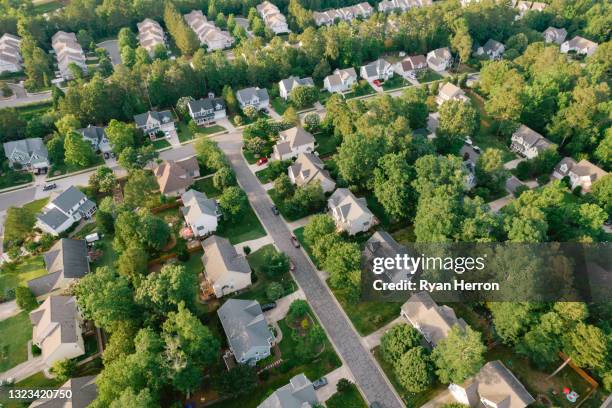
The Canadian housing market — tracked and analyzed.
Active listings have grown ~18% year-over-year in major markets. Supply is improving but still below the 4–6 month balanced-market threshold in Toronto, Vancouver, and Calgary.
The Bank of Canada's rate cuts since mid-2024 have reignited buyer demand. National average home prices have climbed modestly, with the Greater Toronto Area and Metro Vancouver leading gains.
Lower rates have brought buyers back to the market, reducing negotiating room. However, many sellers who locked in during 2021–2022 highs are still adjusting expectations.
Estimated Break-Even Point
If you plan to stay in the home for longer than 1 years, buying is likely the better financial decision based on equity accumulation.
"Marry the house, date the rate."
If you find a home you love that fits comfortably in your monthly budget, buying makes sense regardless of temporary rate fluctuations. If rates drop significantly in the future, you can often refinance. If they rise, you've locked in a lower payment.
Focus on time horizon, not timing.
Real estate is a highly illiquid asset with high transaction costs (realtor fees, closing costs). Don't buy unless you are reasonably confident you will remain in the home (or hold it as a rental) for at least 5-7 years to absorb those initial costs.
Don't wait for a crash.
Unlike 2008, current homeowners have record levels of equity and locked-in low rates. Foreclosures remain historically low. A severe drop in home prices is unlikely without a catastrophic macroeconomic event; a stabilization or slight dip is more probable.
Canadian Real Estate Market Outlook 2026
The Canadian real estate market in 2026 is in a period of cautious stabilization following the dramatic rate cycle of 2022–2023. The Bank of Canada's overnight rate peaked at 5.00% in mid-2023 before declining to its current 2.25%, bringing 5-year fixed mortgage rates down from their 5.54% high to the low-4% range today. This rate relief has gradually restored buying power for Canadian households, with sales activity recovering in most major markets through 2025 and into 2026 — though prices remain well above pre-pandemic levels in Vancouver, Toronto, and other high-demand cities.
The rent vs. buy decision in Canada's major cities remains nuanced in 2026. In Toronto and Vancouver, the price-to-rent ratio is among the highest in the world — meaning ownership costs (mortgage, taxes, maintenance) often significantly exceed equivalent rental costs in the short term. However, over a 7–10 year horizon, historical appreciation and forced savings through equity buildup have typically favoured buyers in these markets. Smaller cities like Calgary, Edmonton, Halifax, and Ottawa offer more balanced rent-vs-buy math, with lower home prices relative to rents.
Canadian mortgage rate forecasts for 2026 are generally neutral to slightly dovish. Most major bank economists (RBC, TD, BMO, CIBC, Scotiabank) expect the Bank of Canada overnight rate to hold around 2.25% through the remainder of 2026, barring a significant deterioration in the labour market or unexpected inflation resurgence. This implies the prime rate will hold at 4.45% and variable mortgage rates will remain relatively stable. Five-year fixed rates, driven by bond yields, may drift modestly lower if global economic uncertainty persists and bond demand remains strong.
For Canadian homebuyers deciding when to buy, the key insight from market history is that timing the market is nearly impossible — and trying to do so is often costly. Buyers who waited for the "crash" in 2021 missed a 15–20% price run-up before rates slowed the market. Buyers who paused in 2023 due to high rates are now buying in a more competitive market with modestly lower prices but also lower rates. The most effective strategy remains focusing on personal financial readiness: a stable income, a solid down payment, a healthy GDS/TDS ratio, and a minimum 5–7 year ownership horizon.